











After a tooth is pulled, avoid anything that can knock loose the blood clot in the socket. That means no smoking, straws, hard spitting or rinsing, poking the site, hard or hot foods, alcohol, or heavy exercise. This is what not to do after tooth extraction, because a lost clot can lead to dry socket, bleeding, and infection. At Ocotillo Trails Family Dentistry in San Tan Valley, AZ, our extraction team wants your recovery to go smoothly. This guide explains each mistake in plain words, how long to avoid it, and when to call a dentist.
Key Takeaways
- Timing: The first 24 hours matter most, and dry socket pain usually shows up a few days later.
- Do instead: Eat soft, cool foods, chew on the other side, sleep with your head raised, and use a cold pack on your cheek.
- Call your dentist if: bleeding does not stop after 30 minutes of steady pressure, pain gets worse after day 2 or 3, or you have a fever.
- Rule of thumb: Your dentist’s own instructions come first.
Why Are the First 24 Hours After Tooth Extraction Important?
The time right after the extraction is important because your body builds a blood clot in the empty socket, and that clot is the base for all later healing. A blood clot is a gel-like plug of blood that seals the wound. It covers the bone and nerve endings that were under the tooth, so air, food, and germs cannot reach them.
How Does a Blood Clot Form After Tooth Extraction?
A blood clot forms because bleeding starts right after the tooth comes out, and steady pressure helps it seal the socket. Biting on the gauze your dentist places keeps that pressure in place. Once the clot is set, new tissue grows into it and slowly fills the socket.
How Long Is the Blood Clot at Risk?
The blood clot is most fragile on day one, and it stays easy to disturb for several more days. After that, new tissue slowly takes over and holds the socket together. Your dentist can tell you when the risk has passed for your extraction.
The ADA MouthHealthy extraction guide says the bone fills in through this clot, and it tells patients to avoid straws for 24 hours. That rule covers only the most fragile stretch. Many people relax on day two because the socket looks calm, but it is still healing. Keep following your aftercare rules until your dentist clears you, and plan on a longer period after surgery or wisdom tooth removal.
What Not to Do After Tooth Extraction to Protect Your Blood Clot
Avoid smoking, straws, hard rinsing, touching the site, rough foods, alcohol, hard exercise, brushing the site, and misusing pain medicine. These are the main things to avoid after tooth extraction.
Avoid Smoking, Vaping, and Tobacco Products

Do not smoke, vape, or chew tobacco after an extraction. Nicotine narrows blood vessels, so less blood reaches the wound, and sucking on a cigarette or vape pulls on the clot. A Dentistry Journal smoking review by Kuśnierek and colleagues in 2022 pooled 11 studies. It found dry socket in about 13.2% of smokers and 3.8% of non-smokers, which means smokers had more than 3 times the odds. Ask your dentist how many days to wait, since longer is safer.
Do Not Use Straws or Spit Forcefully
Skip straws and hard spitting for at least one full day. Both create suction and pressure that can pull the clot out of the socket. Drink from a cup and sip slowly. If you need to clear saliva or blood, let it fall into the sink. Sucking through a lid hole or on a spoon causes the same pull. Your dentist may ask you to wait several days, especially after wisdom tooth removal.
Avoid Rinsing Vigorously or Touching the Extraction Site
Do not swish hard, and keep your tongue, fingers, and toothpicks away from the socket. Swishing creates pressure, and poking moves the clot and adds germs. Skip rinsing on the day of the extraction unless your dentist says otherwise. After that, rinse gently with 1/2 teaspoon of salt in a glass of warm water, and let the water fall out of your mouth. If the spot feels rough, leave it alone.
Do Not Put Home Remedies or Unprescribed Products Into the Extraction Socket
Never place anything in the socket unless your dentist gave it to you. Clove oil, toothpaste, herbs, and aspirin tablets can burn the gum or trap food and germs. If the site bleeds, bite on clean gauze with steady pressure instead. Treat pain with the medicine your dentist suggested, and call the office if it does not work.
Avoid Hard, Crunchy, Sticky, or Hot Foods

Stick to soft, cool, or lukewarm food for the first few days. The main foods to avoid after tooth extraction are chips, nuts, popcorn, seeds, hard candy, gum, caramel, and very hot soup or coffee. Hard bits scrape the site or lodge in the socket, and heat can loosen the clot. Try yogurt, scrambled eggs, mashed potatoes, applesauce, and oatmeal. Skip spicy food until the site stops stinging.
Avoid Alcohol and Irritating Drinks
Skip alcohol and alcohol-based mouthwash until your dentist says the site is ready, and never on the day of the extraction. Alcohol can sting the wound, slow healing, and react with pain medicine. If you take prescription pain medicine, ask your dentist how long to wait. Drink water, and let hot or fizzy drinks cool or go flat. Cool milk works too, as long as you drink it from a cup.
Avoid Heavy Exercise and Strenuous Activities
Take it easy on day one, and skip hard workouts for several days after that, or longer if the extraction was surgical. Running, lifting, and gym workouts raise your heart rate and blood pressure, which can restart bleeding or cause throbbing at the site. A slow walk is usually fine. Heavy lifting or bending over is not. Ask your dentist when to return to hard workouts, since the date depends on your extraction.
Do Not Brush Directly Over the Extraction Site
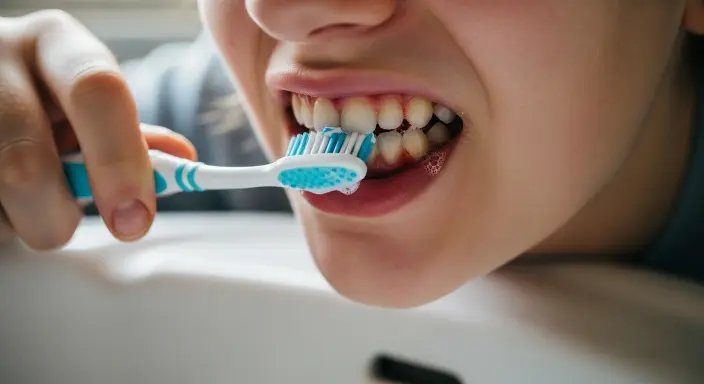
Keep brushing your other teeth, but keep the bristles off the socket at first. Brushing the site can scrape the clot and sore gum. Use a soft brush and clean near the area very gently. Skip water flossers and electric brush heads on the site until your dentist clears them, because water pressure and vibration can disturb the clot. Clean teeth matter, since germs slow healing.
Avoid Taking Pain Medication Incorrectly
Take pain medicine only as directed, and never go over the label or prescription limit. More medicine does not stop pain faster, and too much can harm your liver, stomach, or kidneys depending on the drug. Ask your dentist before using aspirin, since it can thin the blood and prolong bleeding. Never mix pain pills with alcohol. A stronger prescription may cause sleepiness, so do not drive until you know how it affects you.
What Should You Do Instead? Safe Habits That Help You Heal
The best habits are simple. Protect the clot, keep your head up, eat soft foods, and follow your dentist’s plan. Use this table to swap each mistake for a better move.
|
Instead Of |
Do This | Why It Helps |
| Using a straw | Sip from a cup |
It removes the suction on the clot |
|
Swishing hard |
Rinse gently with warm salt water once your dentist allows | It cleans without pressure |
| Poking the socket | Leave it alone |
It keeps germs and force away from the clot |
|
Heat on the cheek |
Cold pack on the cheek | It controls swelling |
| Lying flat | Prop your head up |
It reduces oozing and swelling |
|
Crunchy food |
Soft foods like yogurt and eggs |
It protects the wound |
Drink plenty of water, rest, take medicine as directed, and keep your follow-up visit if your dentist books one.
How Long Should You Avoid Certain Activities After Tooth Extraction?
Most restrictions last from one day to about one week, and a few last until chewing near the site stops hurting. Your extraction type sets the exact window, so surgical extractions and wisdom tooth removal run longer. This tooth extraction aftercare timeline shows when each activity can come back.
|
Activity |
Avoid For | You Can Return When |
| Straws and spitting | At least 1 day, and your dentist may say several days |
Your dentist confirms the clot is holding |
|
Smoking and vaping |
Several days at minimum, and longer is safer | Your dentist clears you |
| Alcohol and alcohol-based mouthwash | Until your dentist approves |
You no longer take prescription pain medicine |
|
Hard exercise |
Several days, and longer after surgery | Swelling and throbbing are gone |
| Crunchy and sticky foods | Until chewing near the site is comfortable |
Your dentist says the socket is closing |
|
Brushing near the site |
Until your dentist allows gentle brushing |
The gum no longer feels tender |
Surgery, a wisdom tooth, or stitches can stretch any of these windows. If you are unsure whether you can restart something, ask before you try it. A quick call costs less than a setback.
What Should You Avoid When Sleeping After Tooth Extraction?

Avoid sleeping flat on your back or on the side of the extraction. Flat sleeping lets blood pool near your head, and pressure from the pillow can bother the site. Keeping your head above your heart reduces swelling and oozing. Follow these steps for the first night, and keep them up for a few nights if swelling or oozing continues:
- Prop your head up with two pillows, or sleep in a recliner.
- Lie on the side opposite the extraction.
- Lay an old towel over your pillowcase in case of light oozing.
- Ask your dentist if you should leave gauze in overnight.
Do not fall asleep with an ice pack on bare skin, since it can irritate it.
Should You Use Heat or Ice After Tooth Extraction?

Use ice during the early days of recovery to control swelling and discomfort, and avoid heat right after the extraction. Heat can increase swelling and bleeding at the site, so ask your dentist before using it.
When Should You Use Ice?
Use ice on day one and day two, when swelling is building. A cold pack narrows blood vessels near the skin, which helps limit swelling and dull soreness. Wrap the pack in a thin cloth, hold it on your cheek for 15 to 20 minutes, then remove it for a while before repeating.
When Should You Avoid Heat?
Avoid heat on the outside of your face while swelling is still building. A hot pack or heating pad widens blood vessels and can increase swelling and bleeding. Once swelling has peaked and starts to fall, ask your dentist if a warm, damp cloth is okay for jaw stiffness. Follow your dentist’s own instructions for cold and warm packs. If swelling or pain keeps getting worse instead of better, call the office.
What Happens if You Accidentally Disturb the Blood Clot and Cause Dry Socket?
If the blood clot is knocked loose or lost, the bone and nerves under it are exposed to air, food, and bacteria. That exposure causes dry socket, called alveolar osteitis in medical terms. It is the partial or total loss of the clot, and it is one of the most painful complications of an extraction.
The pain is what sets dry socket apart from normal soreness. Normal pain eases a little each day. Dry socket pain grows a few days after the extraction, often throbbing, and it may spread toward your ear, jaw, or neck. Other signs include:
- A bad taste or bad breath that brushing does not fix
- A socket that looks empty or shows pale bone
- Pain that your usual medicine barely touches
Dry socket does not cause a fever or pus on its own. Those point to an infection, which needs a separate check. Dry socket is treatable. Your dentist can rinse out the socket, remove trapped debris, and place a medicated dressing that calms the pain quickly. Most people then heal normally, though the dressing may need to be changed more than once.
What Should You Do if You Already Made One of These Mistakes?
If you already made a mistake after your extraction, stop it right away, leave the socket alone, and watch your pain each day. One slip does not always cause dry socket. Call your dentist the same day if pain grows, bleeding returns, or you see bone in the socket.
Follow these steps:
- Stop the habit that caused the slip, such as smoking, using a straw, or spitting.
- Do not poke, pull your lip, or rinse hard to check the damage. Each check adds pressure to the blood clot.
- Go back to soft foods, and sleep with your head raised.
- Rate your pain once a day. It should ease a little each day. If it climbs instead, call your dentist.
- If bleeding returns, bite on clean gauze with steady pressure, and call your dentist if it does not stop.
Who Is More Likely to Get Dry Socket After Tooth Extraction?
Smokers and people having lower wisdom teeth removed are more likely to get dry socket, but most people do not get it. The StatPearls clinical review on alveolar osteitis says larger studies commonly find rates under 5%, though reported rates range from 0.5% to 68%.
It adds that multiple reviews found about 30% of lower wisdom tooth extractions developed dry socket, and that lower wisdom teeth carry more risk than all other extraction sites combined. It also notes studies linking dry socket to birth control pills and the middle of the menstrual cycle. If any of this applies to you, tell your dentist before the extraction so they can plan your care.
How Can You Tell if Your Tooth Extraction Is Healing Normally?
Your extraction is healing normally if pain eases a little each day, oozing is light and stops soon after the procedure, and swelling peaks around day 2 or 3 and then goes down. You should feel slightly better each day, not worse. A dark clot in the socket is a good sign. In the following days you may see a soft white or yellow layer. That is usually healing tissue, not pus.
Mild jaw stiffness and a little bruising are also common. If light oozing continues, bite on clean gauze with steady pressure. Over the next week or two, the gum should look smaller and tighter. Pain that comes back strongly after it had eased is a reason to call your dentist.
How Long Does It Take for a Tooth Extraction Site to Heal?
The gum usually closes over a simple extraction site in about 1 to 2 weeks, and the bone underneath keeps filling in for several months. Surgical extractions and wisdom tooth removal take longer than simple ones. Healing happens in stages. A blood clot seals the socket first, new gum tissue then grows across the top, and bone slowly fills the space from below.
|
Stage |
What Happens | Typical Timing |
| Clot stage | The blood clot seals the socket |
Day 1 |
|
Soft tissue stage |
Gum edges grow across the site | Weeks 1 to 2 |
| Bone stage | Bone fills in and the ridge reshapes |
Several months |
Your own timeline depends on the size of the socket, whether the extraction was simple or surgical, and how closely you follow your dentist’s instructions. A large molar socket takes longer to close than a small front tooth socket. Habits like smoking can also slow healing.
A closed gum does not mean the bone has finished healing. If you plan to replace the tooth with an implant, your dentist will tell you when the bone is ready. If pain rises after it has eased, call your dentist.
Do Restrictions Differ After Simple and Surgical Tooth Extractions?
Yes. Surgical extractions need stricter and longer aftercare because the dentist may cut the gum, remove bone, or place stitches. Impacted wisdom teeth and broken teeth are common reasons for surgery.
After a simple extraction, plan on a short soft-food period and a quick return to light activity. After surgery, plan for more swelling, a longer soft diet, and a longer break from exercise. If you have stitches, do not pull your lip to look at them, and ask when they will dissolve or come out. Follow the written instructions your dentist gives you, because they match the work that was done.
When Can You Eat Normal Food Again? Foods to Avoid After Tooth Extraction
You can return to normal foods when chewing near the site no longer hurts and your dentist says the socket is closing. Start with soft foods, add softer solids slowly, and bring back crunchy foods last. Surgical extractions and wisdom tooth removal need a longer soft-food period than simple ones.
Rushing is a common mistake. Chewing hard food too early can bring back pain or open the wound. Chew on the opposite side, cut food into small pieces, and let hot drinks cool to lukewarm. Ask your dentist for your own date at your checkup, since healing speed differs from person to person. The foods to avoid after tooth extraction stay on the list until your dentist says otherwise. These are chips, nuts, popcorn, and sticky candy.
When Can You Go Back to Work, School, or Driving After Tooth Extraction?
You can go back when your pain is controlled and your job does not need heavy lifting or hard physical work. Light desk work or classes are often possible the next day after a simple extraction, but ask your dentist for your own plan. If you had sedation or take a prescription pain medicine that causes sleepiness, do not drive or work that day. Plan a longer break after a surgical extraction or wisdom tooth removal. Keep water and soft foods nearby, and take your medicine on schedule.
What if You Had a Bone Graft or Plan to Get a Dental Implant?
A bone graft is bone material placed in the empty socket to keep its shape for a future implant. The same aftercare rules apply, plus extra care. Do not press on the area, move it with your tongue, or pull your lip to look at it. Smoking and suction stay off limits. Follow your dentist’s written instructions for chewing, rinsing, and follow-up visits, because graft care can differ from a plain extraction. You can read more about dental implants and ridge augmentation on our site.
Who Needs Extra Care After Tooth Extraction?
People who smoke, take blood thinners, or have diabetes should tell their dentist before the extraction and follow a plan made for them. Smokers need a plan to avoid tobacco for the days the dentist sets. People on prescription blood thinners should never stop them on their own, so ask the dentist and the prescribing doctor what to do. People with diabetes should share how well their blood sugar is controlled, since it can affect healing, and you can read more about diabetes and your teeth on our site. With children and teens, watch that they do not bite the numb lip or cheek, and help them stick to soft foods.
When Should You Contact Your Dentist After Tooth Extraction?
Call your dentist if bleeding does not stop after 30 minutes of steady pressure with clean gauze, or if pain gets worse after day 2 or 3. Other reasons to call include:
- Fever or chills
- Swelling that keeps growing after day 3
- Pus, a foul taste, or a bad smell that stays
- A socket that looks empty with visible bone
- Numbness that does not fade as expected
- Pain that your medicine does not control
Go to an emergency room right away if you have trouble breathing or swallowing, or if swelling spreads to your eye or neck.
Need Help With Your Healing?
Pain that gets worse, bleeding that will not stop, or a socket that looks empty should not wait. Ocotillo Trails Family Dentistry will check your extraction site, ease your pain, and answer your aftercare questions. Our team will explain what is normal and what to do next. You do not have to guess or wait for the pain to settle on its own.
Call (480) 457-1977 or book online today to be seen at our San Tan Valley office. We will look at the healing, clear up any doubts, and treat any problem we find. Early care is easier than fixing a problem that has grown, so reach out as soon as something feels wrong.
Conclusion
Knowing what not to do after tooth extraction comes down to one idea, which is to protect the blood clot. Skip smoking, straws, hard rinsing, poking the site, alcohol, and hard workouts. Choose soft foods, rest with your head raised, and take medicine only as directed.
Keep following your tooth extraction aftercare plan even after the soreness fades, since the bone keeps healing long after the gum looks closed. These steps give your socket the best chance to heal without a dry socket, and they make the whole recovery easier to manage.
Frequently Asked Questions
Can I Drink Water Immediately After Tooth Extraction?
Yes, you can sip water right away. Drink from a cup, take small sips, and do not swish or spit. Cool or room temperature water is best while your mouth is still numb.
Can I Talk Normally After Tooth Extraction?
Yes, normal talking will not harm the site. Your speech may sound different for a few hours if your mouth is numb or swollen. Avoid stretching your mouth very wide, and do not shout or yawn hard right after the procedure.
Can I Cough or Sneeze After Tooth Extraction?
Yes, but keep your mouth open when you sneeze to lower the pressure. You cannot always stop a cough or sneeze, so do not worry if one slips out. After an upper tooth extraction, avoid blowing your nose hard, since upper tooth roots sit near the sinus. Ask your dentist how long to wait.
Is It Safe to Wear Dentures After Tooth Extraction?
Yes, but only on your dentist’s schedule. Some people get a denture right after the extraction and are told to leave it in on the day of the extraction. Others should keep an old denture out if it presses on the site. A poor fit can slow healing, so follow your dentist’s directions exactly.
Can I Chew on the Opposite Side After Tooth Extraction?
Yes, and it is the best way to eat during the soft-food period. Chew on the side away from the site and cut food into small pieces. Avoid rice and seeds until the socket has started to close, since they can drift into it.
Can I Drink Coffee After Tooth Extraction?
No, not hot coffee in the first 24 hours, since heat can loosen the clot. Let it cool to lukewarm and drink it from a cup, not a straw.